

ConnectLife joins donor families and advocates speaking out against proposed reimbursement changes
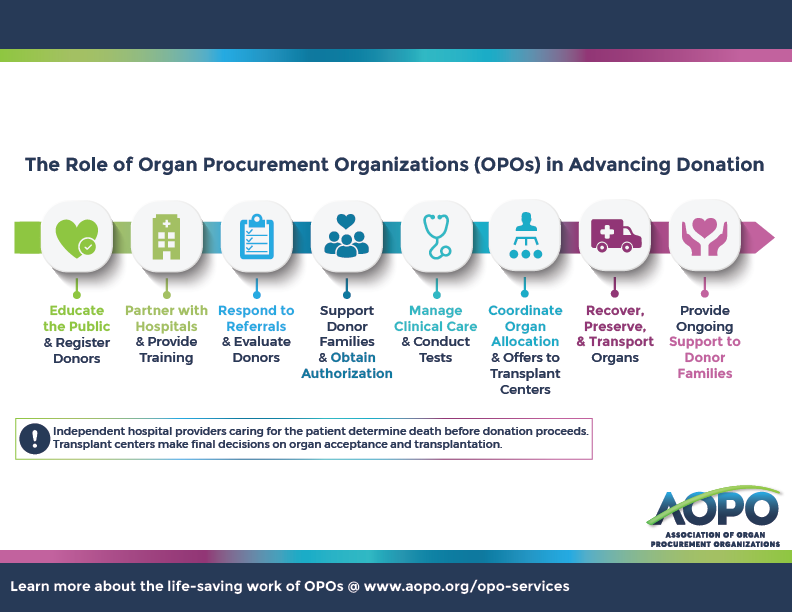
The Centers for Medicare & Medicaid Services (CMS) put forward a plan in April to significantly change the ways in which Organ Procurement Organizations (OPOs) are reimbursed for recovering most types of organs for transplantation. ConnectLife has joined a chorus of donor family members, organ recovery professionals, people awaiting transplant, and donation advocates speaking out against this plan.
The proposed policies could delay reimbursement for non-profit OPOs, increase administrative burdens and create new financial instability. ConnectLife submitted formal comments to CMS sharing our concerns. We have also reached out to representatives in Congress to alert them to the disruptions the policy change could cause.
“Families like mine have found strength and hope through the work of [Organ Procurement Organizations]. Our loved ones saved others, and our OPOs empower us to amplify their impact and help other families who will go through the same experience,” Brooke Ballesteros wrote in a public comment to CMS. Her 16-year-old son Abraham Torres gave the Gift of Life through the Donor Network of Arizona. “And by sharing our stories with the wider community, we are able to inspire more people to support donation and register as donors.”
CMS’ proposed changes include new limitations on allowable costs for educational and community programming.
“If the government takes away the funding that makes these support programs possible, then the whole network unravels and everyone suffers,” Ballesteros added. “Donor families like mine will be abandoned in their greatest time of need… Please do not restrict the money OPOs can use for public education and donor family care. Those programs are important so families can find the same comfort and community that saved me.”
ConnectLife expects that the changes could reduce our ability to invest in programming, process improvements, training and equipment upgrades that have allowed us to successfully increase organ donation in Western New York.
“If this change is implemented, it would be devastating to families and their loved ones on the waiting list,” wrote Liz Thornburg of Iowa, the family member of a transplant recipient. “This change would slow the process of cross matching patients, would cause patients to wait for a cheaper to procure organ/tissue, and force OPOs to downsize their teams causing slower waitlist updates and a less proactive management of the active patient pool. I encourage you to put yourself in the shoes of your constituents.”
“Unlike many healthcare organizations, OPOs must maintain continuous readiness regardless of when a donation opportunity occurs,” noted Steve Miller, CEO of the Association of Organ Procurement Organizations. “Donation does not happen on a schedule. OPOs must be prepared 24 hours a day, seven days a week, 365 days a year to respond when families say ‘yes’ to donation. This requires highly trained clinical teams, transportation networks, laboratory services, donor management capabilities, and family support resources that must remain available at all times.”

Comments